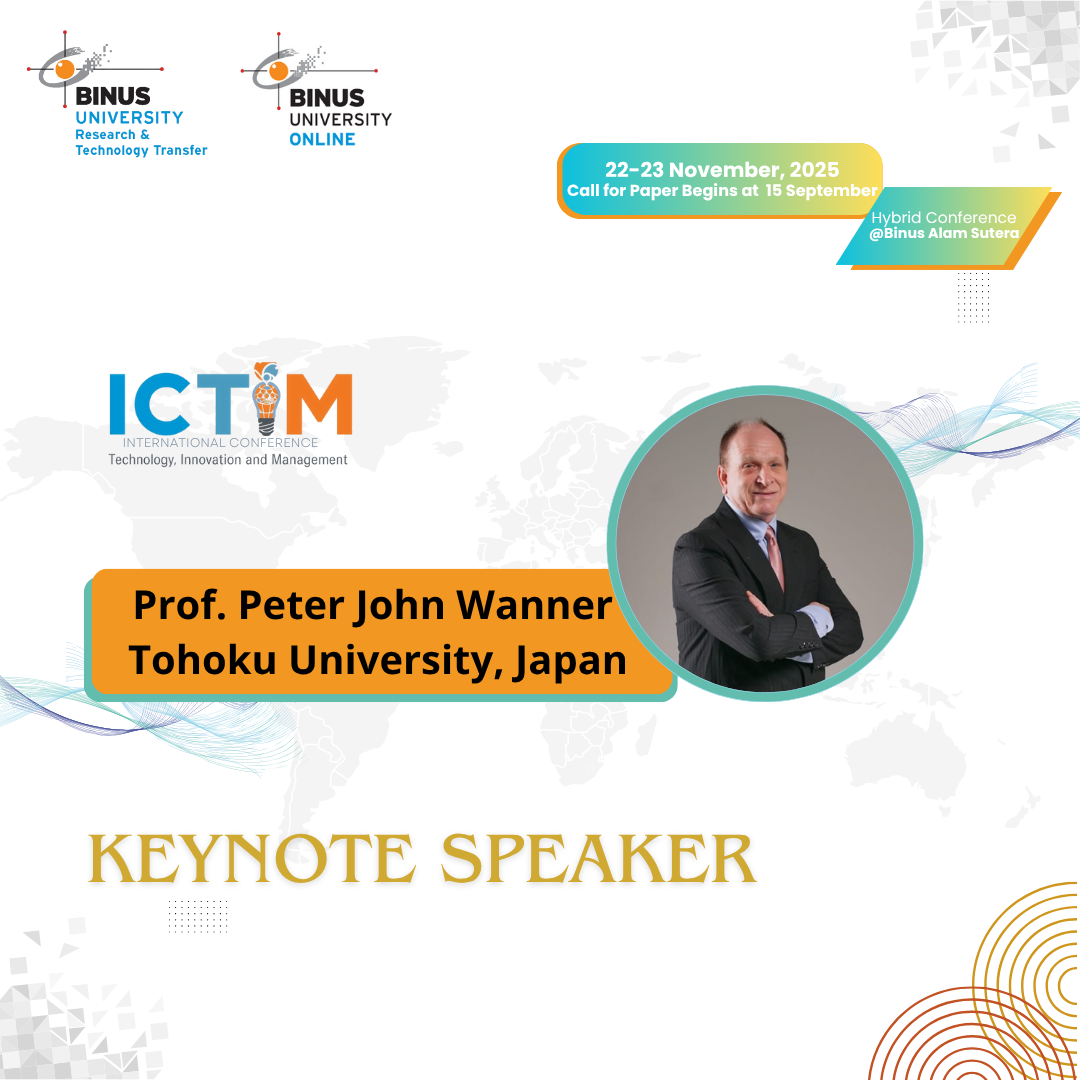

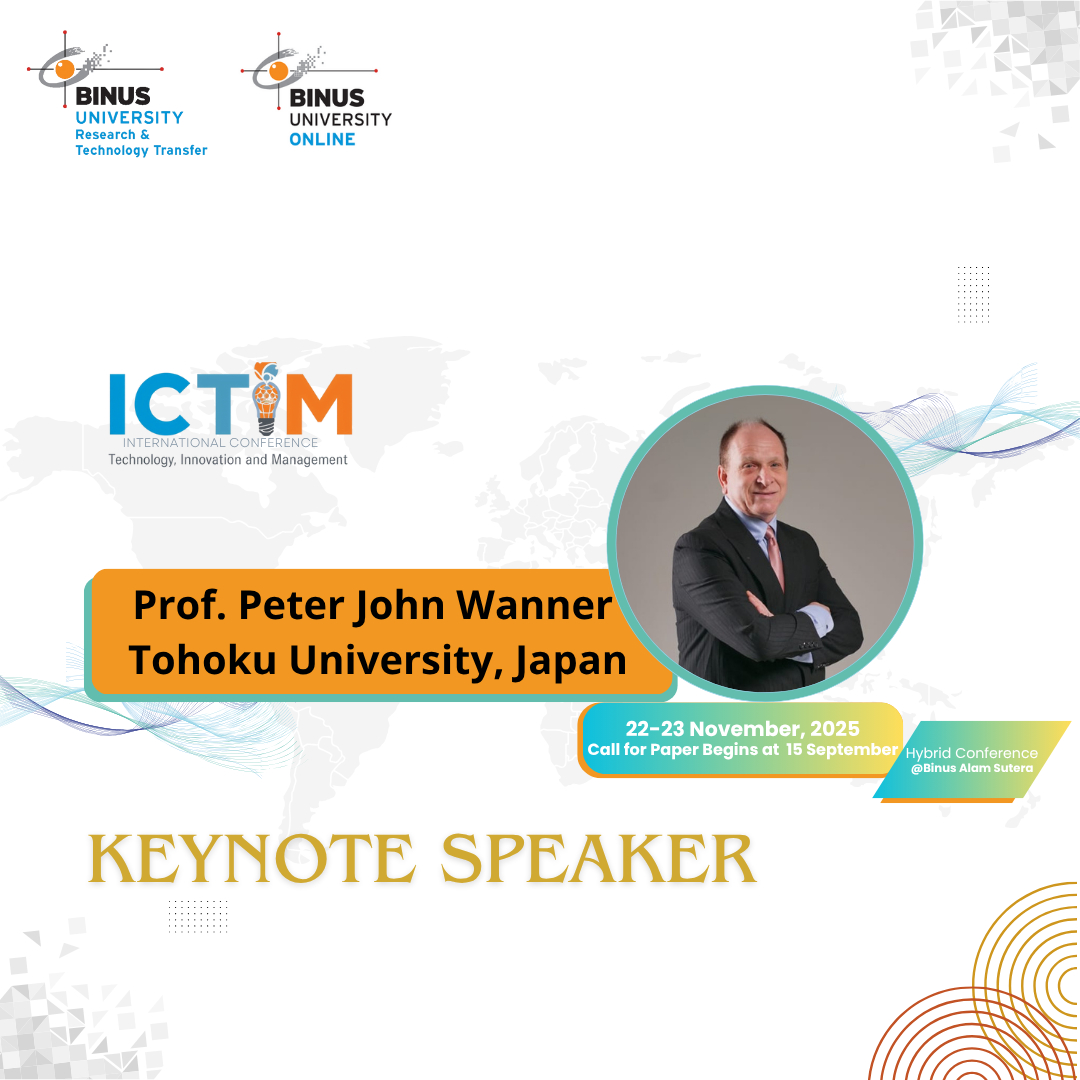
Prof. Peter John Wanner
The Resilience Factor and development of Tourism in Higishi-Matsushima before and after the 2011 Tsunami.
Peter John Wanner
Graduate School of International Cultural Studies, Tohoku University
In 2010, Higashi-Matsushima welcomed around 1.1 million tourists annually, marking a peak in its traditional appeal before the Great East Japan Earthquake and tsunami devastated the region in March 2011. Tourism was deeply rooted in the scenic coastal landscapes and cultural treasures of Okumatsushima and Sagakei Gorge, attracting visitors to its sea-cliff boat tours, Mt. Otakamori hikes, and local delicacies. (Higashi City Tourism Office, 2025)
Fast-forward to 2025, and the city has not only recovered but evolved. Higashi-Matsushima’s Okumatsushima area earned the title of ‘Best Tourism Village’ for its sustainable tourism focus. The municipality also actively participates in broader national efforts—Japan welcomed over 40 million inbound travelers in 2025, fueling regional tourism. Although local visitor figures remain unpublished, city signage reports thousands enjoying the Michinoku Seawind Trail and scenic Blue Impulse airshows. Higashi-Matsushima seamlessly blends the resilience of its 2010 roots with a modern, sustainable vision—transforming past adversity into a vibrant future of green, community-driven tourism.
Key Words: tsunami, tourism attractions, economic development, or community initiatives
Biography:
Dr. Peter John Wanner has been working as an Associate Professor at Tohoku University in the Graduate School of International Cultural Studies, Applied Linguistics Department (Japanese), Human Security Program (English), and Language Sciences Program (English). He has a Doctors degree in Human Informatics from Nagoya University (Japan) and a Master’s of Science Degree in Linguistics from Georgetown University (America). He has worked at Tohoku University since 2005 and specializes in Bilingual Education, Linguistics, and Neurology. He has many publications, but two of his most popular published papers are as follows. In 2008, he had a book chapter publication ‘Consequences for bilingual first language acquisition (BFLA) and native speaker language acquisition (NSLA) infants.’ in ‘Contemporary issues of brain, communication and education in psychology: the science of mind.” And In 2023, he also helped publish in Human Security such as ‘Revisiting the concept of resilience: A new approach to evaluate tsunami resiliency qualitatively using theory of springs.’