
Assessment Application of Data Governance Framework for MOOC Provider in Indonesia
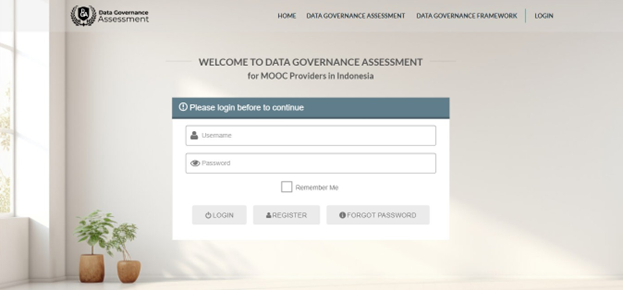
This application can measure Massive Open Online Course providers, especially how they perform on data governance to ensure that performance measurements are in accordance with the framework. The access with www.moocdatagovernance.com .
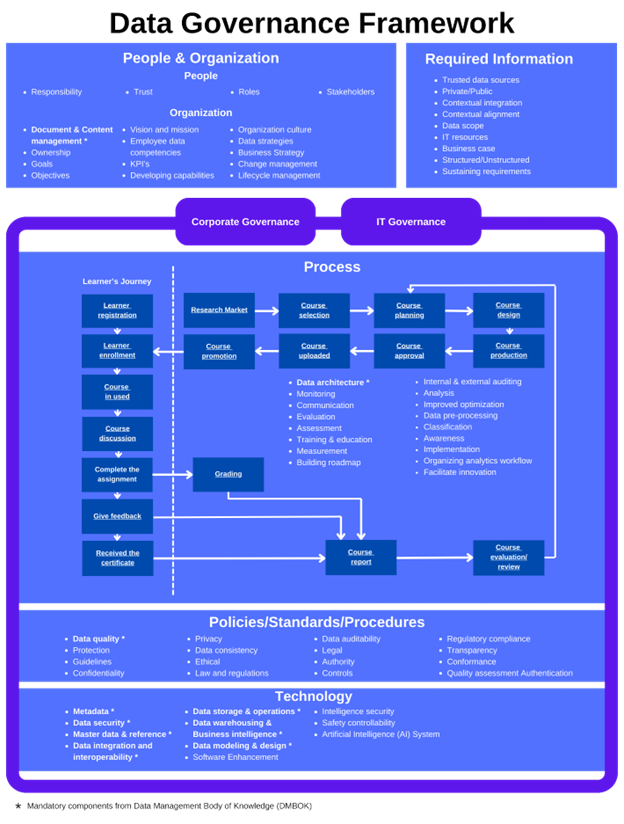
Data Governance Framework
Massive Open Online Courses (MOOCs) are currently a popular learning alternative. MOOC administrators naturally have crucial data to manage. The MOOC Data Governance Assessment application is intended to be a tool for MOOC administrators to ensure data governance is maintained and serve as a basis for evaluation and self-assessment, ensuring data management within the MOOC provider.
Currently, the MOOC management application is used by eight active MOOC administrators in Indonesia, including MOOC administrators from educational institutions, MOOC administrators from state-owned enterprises, and MOOC administrators from private companies. With the MOOC data governance assessment application, MOOC administrators can consistently monitor and effectively control all data entered and displayed by MOOC administrators, especially in Indonesia.
This practical and cost-effective solution is built on the foundation of previous research and field testing, ensuring that the system is not only functional but also aligned with the MOOC Providers community’s specific educational needs.
Advancing Global Goals
Assessment of MOOC Data Governance initiative directly supports the United Nations Sustainable Development Goals (SDGs):
- Goal 4: Quality Education – By delivering accessible educational content, MOOC Providers enhances data governance for learning in their institution.
- Goal 9: Industry, Innovation, and Infrastructure – The data governance represents an innovative approach to bridging the digital divide.
Sustainable Impact Through Research
What sets MOOC Data Governance apart is its research-driven approach. From the outset, the system has been developed and refined based on real-world observations and community feedback. This ensures that the library remains relevant and adaptable as educational needs evolve especially in MOOC Providers in Indonesia.
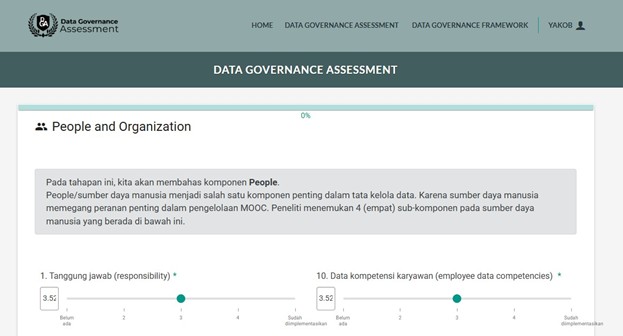
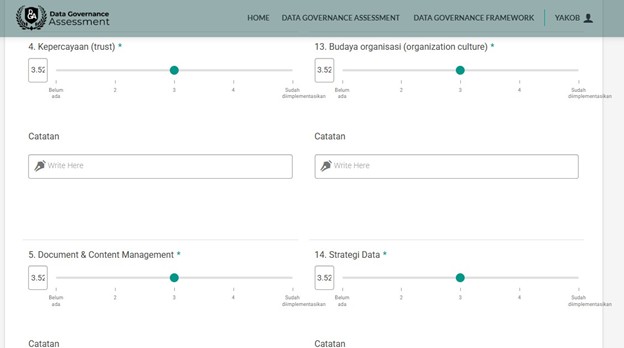
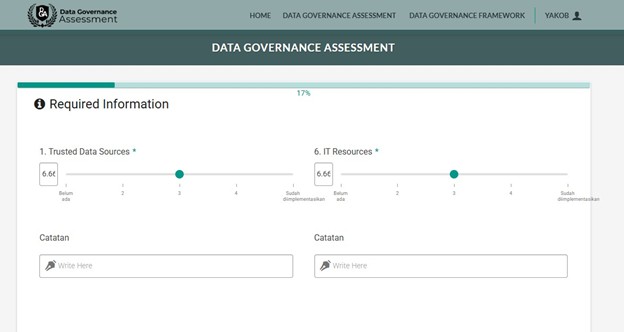
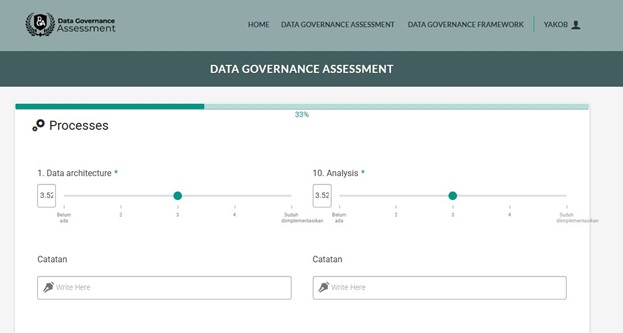
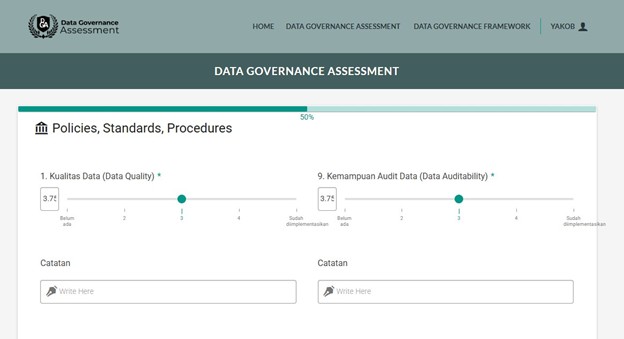
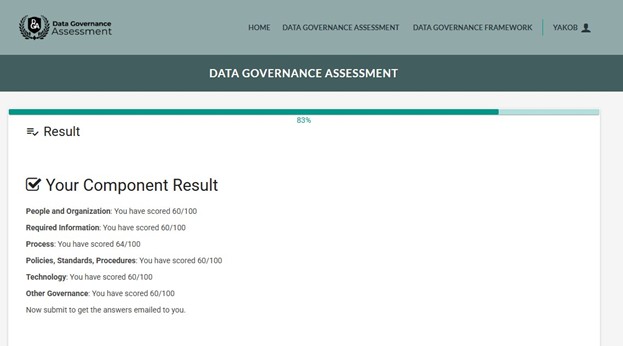
Ongoing monitoring and evaluation play a crucial role in keeping the system effective, allowing for continuous improvements and localized customization for MOOC Providers.
As connectivity challenges persist across many rural and remote regions in Indonesia and beyond, PusGita stands as a scalable model for digital inclusion. It demonstrates how thoughtful innovation—backed by research and community collaboration—can pave the way toward inclusive and equitable education for all.
Comments :